
Walking onto a casino floor anywhere from Broadbeach to Surfers, plenty of recreational players reckon they’ve spotted a pattern after watching thirty shoes fly past. Some of them swear by coloured pencils, others lug tablets displaying results from the last four hours, and a few hard-coast winners pocket tidy sums when they read the run correctly. The baccarat scorecard tracking strategy is the formal name for what’s on paper, and after seventeen years covering gaming for outlets like this one, I can tell you it splits opinion faster than a controversial umpiring decision at the MCG.
The Scorecard Tradition and Why It Endures at the Casino
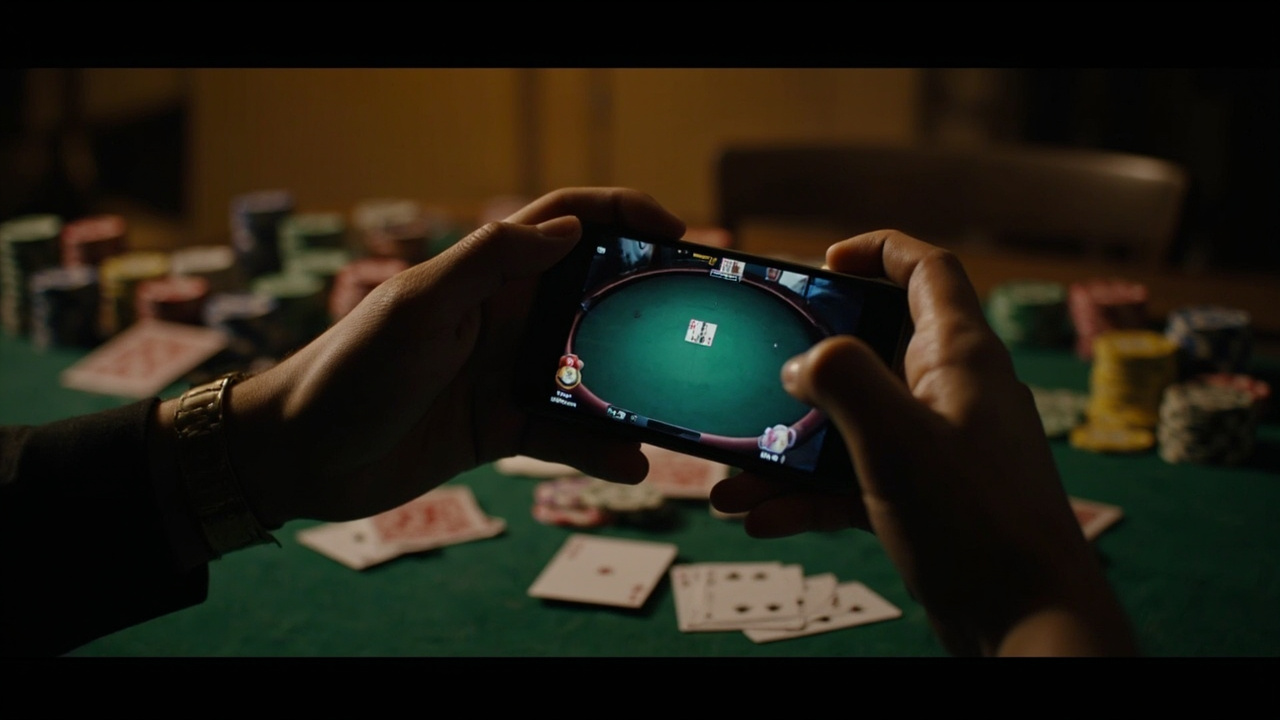
Baccarat has always attracted meticulous types. The felt layout is stripped-back, the rules are straightforward, and the only real decision a punter makes is where to drop the chip before the next hand. That sparsity is precisely why the scorecard exists. Dealers in most Australian salons will hand over a laminated grid without being asked, partly because it speeds up play, and partly because tradition runs deep. Three columns are usually displayed: Banker wins, Player wins, and Ties. Some venues mark them B, P and T, others use red, blue and green dots. Players then circle the dominant run and look for what they call a “choppy” shoe, where results ping-pong between the two main outcomes.
The scorecard itself does not change the odds. Banker still pays 0.95 to 1, Player 1 to 1, and Tie 8 to 1 with the standard commission the house keeps. What it does is give a visual reference point for the next bet, and that reference point is the entire game for many recreational players on the Gold Coast strip. JeetCity y el baccarat en vivo
Reading the Big Bead Road, the Small Road and the Cockroach
Real scorecard tracking goes deeper than a single sheet of paper. Anyone who has spent an arvo watching serious baccarat in Macau or Marina Bay will recognise the trio of roads that hardcore pattern-spotters live by, and over the years I’ve seen the same boards printed and reused in Australian VIP rooms.
The Bead Plate and the Derived Roads
The Big Road is the headline column. Each circle represents a Banker or Player result, stacked vertically as the same outcome repeats, with a fresh column started whenever the winner switches. Ties are marked with a slash through the previous circle and otherwise ignored. From this single column, players derive two secondary roads. The Small Road ignores the first column of the Big Road and logs the differences between consecutive results, while the Cockroach Road, sometimes called the Roach, performs a similar function shifted one step further along the sequence. The logic, for those who follow it, is that when all three roads align, the next hand is supposedly “due” the other way.
I have watched serious Macau road-readers run through a full deck on the basis of those signals, and I have watched them lose just as the metal does. In my experience, after more than a decade and a half of covering gaming floors, the roads are less a predictive tool and more a discipline framework. They keep you honest about bankroll, stop you chasing losses on impulse, and let you walk away when the shoe turns cold.
Why Australians Track Differently From US and UK Players
In the United States, mini-baccarat dominates the floor and scorecards are often frowned upon by management because they slow down a tight, dealer-led game with low table minimums. In the UK, the same game tends to run faster still, with electronic terminals replacing the manual road sheets on most modern installations. Down Under, the average Aussie punter treats the scorecard like a cricket scorebook, dutifully recording outcomes from past four hours and referring back to it between hands. The slower pace of our salons, and the genuine affection Aussies have for paperwork, means the scorecard is alive and well on the Gold Coast, even as it fades elsewhere in the world.
Which Player Type Actually Benefits From the Strategy
Not everyone walks away a winner from disciplined road-reading, but three player types seem to benefit more than the rest, and each fits the scorecard approach in a slightly different way.
The methodical recreational player is the classic fit. They arrive at the table with a fixed buy-in, plan their exit at double or nothing, and use the scorecard purely as a confirmation tool rather than a crystal ball. For them, the strategy works because it replaces emotion with routine, and routine beats tilt every time. They tend to gravitate towards the smaller Saturday-afternoon tables near Broadbeach, sipping flat whites and watching the road for a clean chop before pressing their bets.
The bonus hunter with a baccarat hobby is the second fit. They aren’t chasing the scorecard as a holy grail, they’re using it to grind through the wagering requirements on welcome offers and reload deals, defo treating it as a way to stay engaged with promotions like cashback, recurring weekend reloads and loyalty point accumulation while the bonus clears. The scorecard keeps their hands ticking over at a steady pace, which is exactly what bonus terms demand.
Between spins of baccarat, they might take a break and try something different, like the fast-paced action over at tower-rush-online-au.com, which offers another way to mix up the usual grind. It’s all about keeping the balance between strategy and entertainment, and for an Aussie punter who loves variety, sites like that fit right into the routine.

The third fit is the casual tournament player, often a retiree or a holiday-maker on the Gold Coast who enters the weekly baccarat comps run at the bigger integrated resorts. Here the strategy pays off because tournaments reward longevity and consistent bet sizing, not aggressive doubling. A player who reads the scorecard and adjusts unit size in line with the visible streak tends to last longer in the chip-count than someone who martingales their way through.
A Few Tracking Habits Worth Keeping
After countless evenings watching baccarat in Australian, Western and Asian salons, I’ve learned, like many veterans, that a few simple habits separate the players who walk out smiling from those who walk out busy as anything on their phone cancelling cards. Never chase a tie streak beyond three, because the maths starts to bite. Switch tables once a shoe if the scorecard reveals nothing useful for thirty minutes straight, since dead shoes predict longer sessions. And always play the commission, never the odds against the house, because that is where Australian, US and UK players have all learned the same hard lesson.
If you want a broader look at how live baccarat fits into the modern Australian player routine, this read on live baccarat for Aussie players from a related Australian-facing piece is a defo worth a look between sessions, and you can always find more casino context over at tower-rush-online-au.com. The roads will still be there tomorrow, the felt will still be green, and the next hand will only ever favour the punter who kept their head when the chips were down.